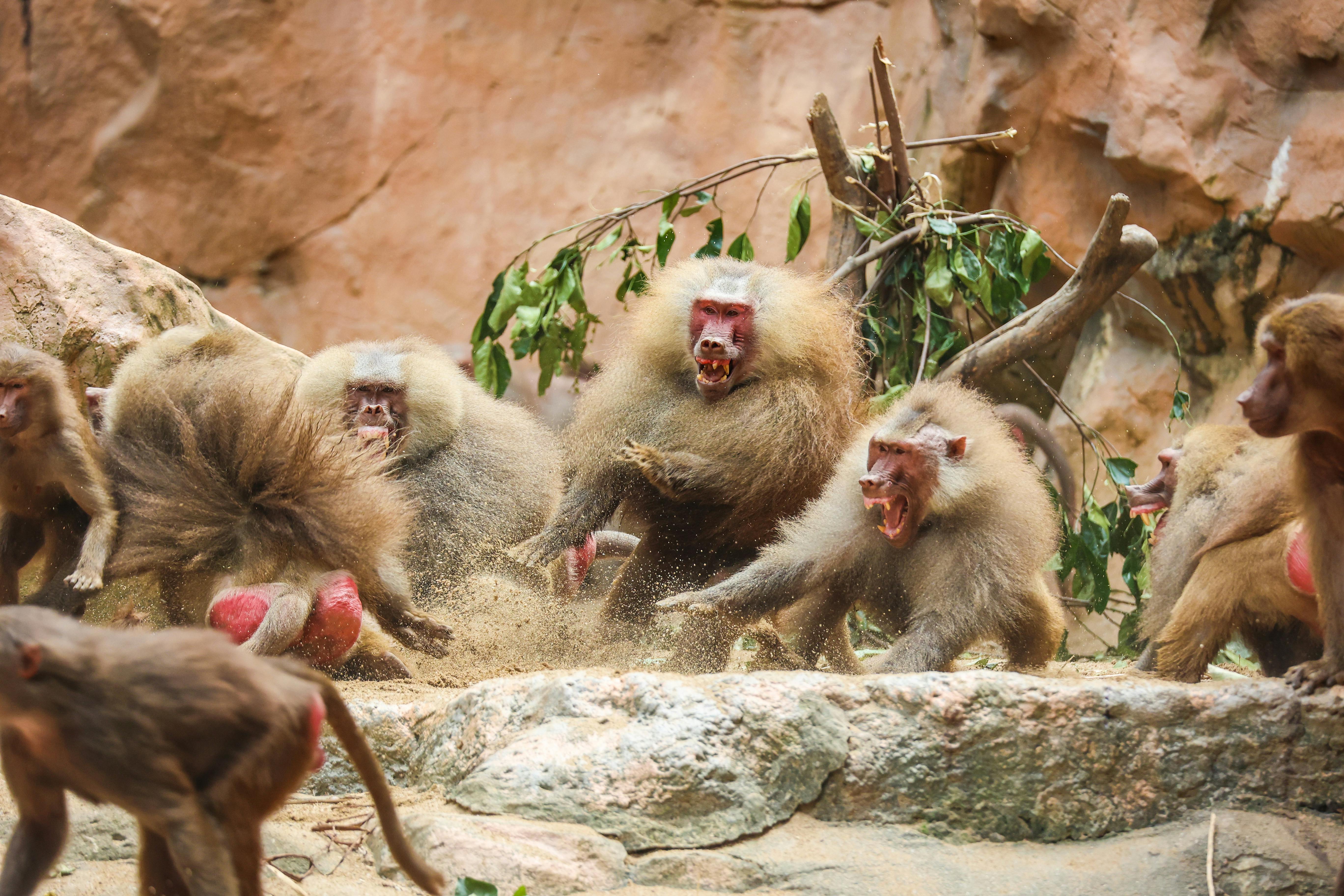
Rabies Vaccine in Stanford-le-Hope
For trips where rabies risk matters, get clear advice and pre-travel rabies vaccination at Hassengate Pharmacy in Stanford-le-Hope before you go.
For trips where rabies risk matters, get clear advice and pre-travel rabies vaccination at Hassengate Pharmacy in Stanford-le-Hope before you go.
For trips where rabies risk matters, get clear advice and pre-travel rabies vaccination at Hassengate Pharmacy in Stanford-le-Hope before you go.
Customer Reviews
4.8
Rabies advice before a trip where animals may be part of the scenery
A dog outside a café in Morocco. A monkey near a temple in Thailand. A bat in a bedroom after dark. Rabies is rare in UK travellers, but the exposure that starts the problem can look ordinary at the time. Allcures - Hassengate Travel Clinic in Stanford-le-Hope can talk through your destination, route, activities and timing, then advise whether pre-travel rabies vaccination makes sense before you leave.
A dog outside a café in Morocco. A monkey near a temple in Thailand. A bat in a bedroom after dark. Rabies is rare in UK travellers, but the exposure that starts the problem can look ordinary at the time. Allcures - Hassengate Travel Clinic in Stanford-le-Hope can talk through your destination, route, activities and timing, then advise whether pre-travel rabies vaccination makes sense before you leave.
A fatal virus usually passed on through saliva
Rabies is a viral infection that attacks the brain and nervous system. People usually catch it when saliva from an infected animal enters the body through a bite or scratch. Saliva getting into the eyes, mouth or nose, or onto broken skin, can also count as an exposure. Dogs cause most human rabies cases worldwide, but they are not the only animals involved. Cats, monkeys, bats and other mammals can carry rabies or closely related lyssaviruses. The animal may not look dramatic or obviously ill. That is part of the problem. Symptoms can start weeks after exposure, although the timing varies. Early signs may be vague, such as fever, headache, tiredness or tingling around the bite. Once rabies symptoms develop, survival is extremely rare. The practical travel issue is access to urgent post-exposure treatment after a bite or scratch, particularly away from major cities.
Rabies is a viral infection that attacks the brain and nervous system. People usually catch it when saliva from an infected animal enters the body through a bite or scratch. Saliva getting into the eyes, mouth or nose, or onto broken skin, can also count as an exposure. Dogs cause most human rabies cases worldwide, but they are not the only animals involved. Cats, monkeys, bats and other mammals can carry rabies or closely related lyssaviruses. The animal may not look dramatic or obviously ill. That is part of the problem. Symptoms can start weeks after exposure, although the timing varies. Early signs may be vague, such as fever, headache, tiredness or tingling around the bite. Once rabies symptoms develop, survival is extremely rare. The practical travel issue is access to urgent post-exposure treatment after a bite or scratch, particularly away from major cities.
What the rabies vaccine does, and what it does not replace
The rabies vaccine used before travel primes your immune system so it can respond faster if you are exposed later. It is an inactivated vaccine, given as injections, usually into the upper arm. For pre-exposure vaccination, the standard course is three doses on days 0, 7 and 21 or 28. If time is tight, an accelerated three-dose schedule may be considered, such as days 0, 3 and 7, with a further dose later if you continue travelling to higher-risk areas. The right schedule needs checking against your departure date and future travel plans. Adults and children can be assessed for rabies vaccination. Suitability may need extra thought if you have had a serious allergy to a previous rabies vaccine or to one of its components, or if your immune system is weakened. Common side effects are usually short-lived: a sore arm, redness, itching, headache or feeling under the weather. The vaccine does not mean you can ignore a bite. After any possible rabies exposure abroad, you still need urgent medical advice and further treatment.
The rabies vaccine used before travel primes your immune system so it can respond faster if you are exposed later. It is an inactivated vaccine, given as injections, usually into the upper arm. For pre-exposure vaccination, the standard course is three doses on days 0, 7 and 21 or 28. If time is tight, an accelerated three-dose schedule may be considered, such as days 0, 3 and 7, with a further dose later if you continue travelling to higher-risk areas. The right schedule needs checking against your departure date and future travel plans. Adults and children can be assessed for rabies vaccination. Suitability may need extra thought if you have had a serious allergy to a previous rabies vaccine or to one of its components, or if your immune system is weakened. Common side effects are usually short-lived: a sore arm, redness, itching, headache or feeling under the weather. The vaccine does not mean you can ignore a bite. After any possible rabies exposure abroad, you still need urgent medical advice and further treatment.
Trips where rabies vaccination is commonly considered
Rabies is present on every continent except Antarctica, but the burden is heaviest in Asia and Africa, especially where dog rabies still circulates. India accounts for many global rabies deaths. Travellers also discuss rabies vaccination for trips to countries such as Thailand, Vietnam, Indonesia, Nepal, Sri Lanka, Morocco, Kenya, Tanzania, South Africa and parts of Latin America. The vaccine is more likely to be advised for longer stays, rural travel, cycling or running, work with animals, volunteering, caving, trekking, or travelling with children. Access to good post-exposure treatment also matters. A short hotel-based city break is a different scenario from a month moving between villages, farms, hostels and wildlife sites.
Rabies is present on every continent except Antarctica, but the burden is heaviest in Asia and Africa, especially where dog rabies still circulates. India accounts for many global rabies deaths. Travellers also discuss rabies vaccination for trips to countries such as Thailand, Vietnam, Indonesia, Nepal, Sri Lanka, Morocco, Kenya, Tanzania, South Africa and parts of Latin America. The vaccine is more likely to be advised for longer stays, rural travel, cycling or running, work with animals, volunteering, caving, trekking, or travelling with children. Access to good post-exposure treatment also matters. A short hotel-based city break is a different scenario from a month moving between villages, farms, hostels and wildlife sites.
Plan the course while there is still time
Rabies vaccination takes planning because the usual course needs several appointments over three to four weeks. If your departure date is close, come in anyway; there may still be a workable schedule. You can book rabies vaccine advice and vaccination at Hassengate Pharmacy, with extended opening hours that suit many people travelling from Tilbury or Grays. Bring your itinerary, vaccine history and departure date.
Rabies vaccination takes planning because the usual course needs several appointments over three to four weeks. If your departure date is close, come in anyway; there may still be a workable schedule. You can book rabies vaccine advice and vaccination at Hassengate Pharmacy, with extended opening hours that suit many people travelling from Tilbury or Grays. Bring your itinerary, vaccine history and departure date.
Appointments available now
Speak to the team or arrange a visit
If you are unsure which service you need, or you would like to check availability before coming in, our pharmacy team can help. Call the clinic and we will guide you towards the most suitable next step based on your needs.
Appointments available now
Speak to the team or arrange a visit
If you are unsure which service you need, or you would like to check availability before coming in, our pharmacy team can help. Call the clinic and we will guide you towards the most suitable next step based on your needs.
Appointments available now
Speak to the team or arrange a visit
If you are unsure which service you need, or you would like to check availability before coming in, our pharmacy team can help. Call the clinic and we will guide you towards the most suitable next step based on your needs.
Essex Clinics
Same-day appointments are routinely available.
Opening Hours
Monday: 8am–9pm
Tuesday: 7am–9pm
Wednesday: 8am–9pm
Thursday: 8am–9pm
Friday: 8am–9pm
Saturday: 9am–9pm
Sunday: Closed

2026 Essex Clinics
Essex Clinics
Same-day appointments are routinely available.
Opening Hours
Monday: 8am–9pm
Tuesday: 7am–9pm
Wednesday: 8am–9pm
Thursday: 8am–9pm
Friday: 8am–9pm
Saturday: 9am–9pm
Sunday: Closed
2026 Essex Clinics
Essex Clinics
Same-day appointments are routinely available.
Opening Hours
Monday: 8am–9pm
Tuesday: 7am–9pm
Wednesday: 8am–9pm
Thursday: 8am–9pm
Friday: 8am–9pm
Saturday: 9am–9pm
Sunday: Closed
2026 Essex Clinics