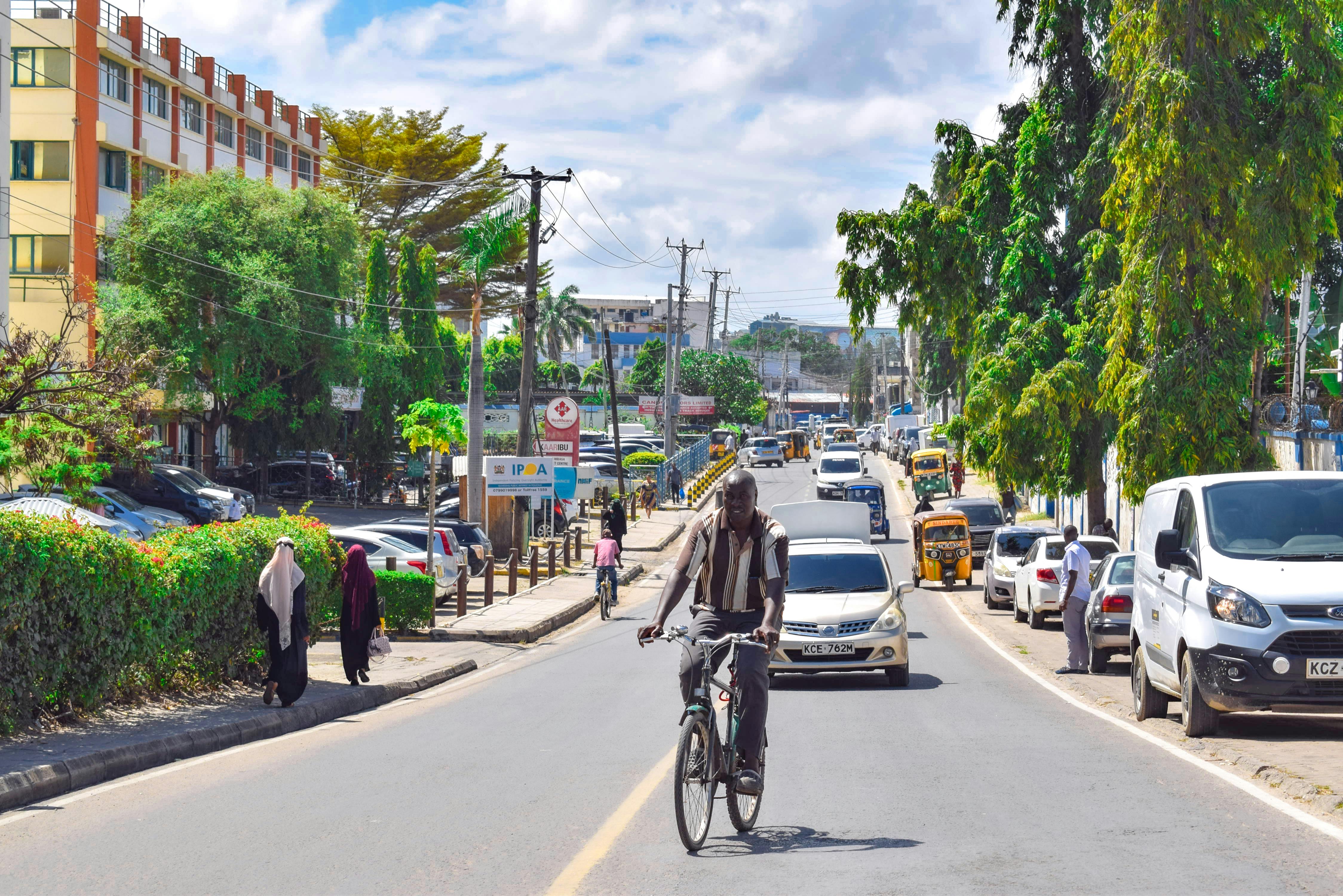
Malaria Tablets in Stanford-le-Hope
Travelling to a malaria risk area? Get clear advice on tablets, bite avoidance and timing from Allcures - Hassengate Travel Clinic in Stanford-le-Hope.
Travelling to a malaria risk area? Get clear advice on tablets, bite avoidance and timing from Allcures - Hassengate Travel Clinic in Stanford-le-Hope.
Travelling to a malaria risk area? Get clear advice on tablets, bite avoidance and timing from Allcures - Hassengate Travel Clinic in Stanford-le-Hope.
Customer Reviews
4.8
Malaria prevention before you travel
Malaria planning is not really about buying tablets from a list. It starts with where you are going, how long you are staying, the season, your accommodation and your medical history. At Allcures - Hassengate Travel Clinic in Stanford-le-Hope, we can talk through whether malaria tablets are advised for your route and how to take them properly. This page explains the illness, the limits of protection, and what to bring to your appointment.
Malaria planning is not really about buying tablets from a list. It starts with where you are going, how long you are staying, the season, your accommodation and your medical history. At Allcures - Hassengate Travel Clinic in Stanford-le-Hope, we can talk through whether malaria tablets are advised for your route and how to take them properly. This page explains the illness, the limits of protection, and what to bring to your appointment.
A mosquito-borne infection that can become serious quickly
Malaria is caused by Plasmodium parasites, passed on through the bite of infected Anopheles mosquitoes. The species matters. Falciparum malaria, common in many parts of sub-Saharan Africa, is the one most associated with severe illness and deaths in travellers. Early symptoms can look annoyingly ordinary: fever, headache, tiredness, muscle aches, abdominal discomfort and sometimes cough or diarrhoea. That is part of the problem. A traveller coming home from Nigeria, Ghana, Kenya or Uganda with a fever may not immediately think “malaria”, especially if the trip was to visit family or a familiar place. Malaria can appear during travel, soon after return, or later. Some types can emerge months afterwards. Any fever after visiting a malaria risk area needs urgent medical assessment, even if you took tablets. They reduce risk when chosen and taken correctly; they do not make malaria impossible.
Malaria is caused by Plasmodium parasites, passed on through the bite of infected Anopheles mosquitoes. The species matters. Falciparum malaria, common in many parts of sub-Saharan Africa, is the one most associated with severe illness and deaths in travellers. Early symptoms can look annoyingly ordinary: fever, headache, tiredness, muscle aches, abdominal discomfort and sometimes cough or diarrhoea. That is part of the problem. A traveller coming home from Nigeria, Ghana, Kenya or Uganda with a fever may not immediately think “malaria”, especially if the trip was to visit family or a familiar place. Malaria can appear during travel, soon after return, or later. Some types can emerge months afterwards. Any fever after visiting a malaria risk area needs urgent medical assessment, even if you took tablets. They reduce risk when chosen and taken correctly; they do not make malaria impossible.
There is no routine malaria vaccine for travellers
For UK travellers, malaria prevention usually means a combination of bite avoidance, awareness of symptoms and, for many destinations, antimalarial tablets. There is currently no commercially available malaria vaccine used routinely for travellers, so a “malaria vaccine appointment” is usually a malaria prevention consultation in practice. The tablet choice is not the same for every country. Common options include atovaquone/proguanil, doxycycline or mefloquine, but suitability depends on the destination, length of stay, age, pregnancy status, medical conditions, allergies and other medicines. Some tablets are started shortly before entering a risk area; others need a longer lead-in. Most also continue after leaving the area, for different lengths of time. Side effects vary by medicine. Nausea, stomach upset, sun sensitivity, sleep disturbance or interactions with other medicines may come up during the consultation, depending on the option being considered. No antimalarial regimen is 100% effective. Mosquito bite prevention still matters: repellent, suitable clothing, screened rooms, air conditioning where available and bed nets when needed.
For UK travellers, malaria prevention usually means a combination of bite avoidance, awareness of symptoms and, for many destinations, antimalarial tablets. There is currently no commercially available malaria vaccine used routinely for travellers, so a “malaria vaccine appointment” is usually a malaria prevention consultation in practice. The tablet choice is not the same for every country. Common options include atovaquone/proguanil, doxycycline or mefloquine, but suitability depends on the destination, length of stay, age, pregnancy status, medical conditions, allergies and other medicines. Some tablets are started shortly before entering a risk area; others need a longer lead-in. Most also continue after leaving the area, for different lengths of time. Side effects vary by medicine. Nausea, stomach upset, sun sensitivity, sleep disturbance or interactions with other medicines may come up during the consultation, depending on the option being considered. No antimalarial regimen is 100% effective. Mosquito bite prevention still matters: repellent, suitable clothing, screened rooms, air conditioning where available and bed nets when needed.
Countries where malaria advice often matters
Malaria risk is common across parts of tropical Africa, Asia, Central and South America, the Dominican Republic and Haiti, parts of the Middle East, and some Pacific islands. It is especially relevant for travel to West and Central Africa, including Nigeria, Ghana, Sierra Leone, Cameroon and the Democratic Republic of the Congo. Risk can differ sharply within one country. India, Thailand, Brazil and Indonesia are good examples: a city break, a beach resort, a rural stay and a forest trek may carry different recommendations. Season also matters in some places. Bring your itinerary, including stopovers, rural stays and any plans to visit friends or relatives outside major cities.
Malaria risk is common across parts of tropical Africa, Asia, Central and South America, the Dominican Republic and Haiti, parts of the Middle East, and some Pacific islands. It is especially relevant for travel to West and Central Africa, including Nigeria, Ghana, Sierra Leone, Cameroon and the Democratic Republic of the Congo. Risk can differ sharply within one country. India, Thailand, Brazil and Indonesia are good examples: a city break, a beach resort, a rural stay and a forest trek may carry different recommendations. Season also matters in some places. Bring your itinerary, including stopovers, rural stays and any plans to visit friends or relatives outside major cities.
Bring the itinerary, not just the country name
If your trip includes a malaria risk area, book early enough to discuss tablet options before you leave. Some choices need starting before departure, and you may need time to check interactions or suitability. Hassengate Travel Clinic is local for patients travelling from Grays or Basildon as well as the immediate area. Book a travel consultation once your dates and route are reasonably firm, and bring any regular medicines with you.
If your trip includes a malaria risk area, book early enough to discuss tablet options before you leave. Some choices need starting before departure, and you may need time to check interactions or suitability. Hassengate Travel Clinic is local for patients travelling from Grays or Basildon as well as the immediate area. Book a travel consultation once your dates and route are reasonably firm, and bring any regular medicines with you.
Appointments available now
Speak to the team or arrange a visit
If you are unsure which service you need, or you would like to check availability before coming in, our pharmacy team can help. Call the clinic and we will guide you towards the most suitable next step based on your needs.
Appointments available now
Speak to the team or arrange a visit
If you are unsure which service you need, or you would like to check availability before coming in, our pharmacy team can help. Call the clinic and we will guide you towards the most suitable next step based on your needs.
Appointments available now
Speak to the team or arrange a visit
If you are unsure which service you need, or you would like to check availability before coming in, our pharmacy team can help. Call the clinic and we will guide you towards the most suitable next step based on your needs.
Essex Clinics
Same-day appointments are routinely available.
Opening Hours
Monday: 8am–9pm
Tuesday: 7am–9pm
Wednesday: 8am–9pm
Thursday: 8am–9pm
Friday: 8am–9pm
Saturday: 9am–9pm
Sunday: Closed
2026 Essex Clinics
Essex Clinics
Same-day appointments are routinely available.
Opening Hours
Monday: 8am–9pm
Tuesday: 7am–9pm
Wednesday: 8am–9pm
Thursday: 8am–9pm
Friday: 8am–9pm
Saturday: 9am–9pm
Sunday: Closed
2026 Essex Clinics
Essex Clinics
Same-day appointments are routinely available.
Opening Hours
Monday: 8am–9pm
Tuesday: 7am–9pm
Wednesday: 8am–9pm
Thursday: 8am–9pm
Friday: 8am–9pm
Saturday: 9am–9pm
Sunday: Closed
2026 Essex Clinics