Japanese Encephalitis Vaccination
For longer stays or rural travel in Asia and the Western Pacific, check Japanese encephalitis vaccine timing and book locally in Stanford-le-Hope.
For longer stays or rural travel in Asia and the Western Pacific, check Japanese encephalitis vaccine timing and book locally in Stanford-le-Hope.
For longer stays or rural travel in Asia and the Western Pacific, check Japanese encephalitis vaccine timing and book locally in Stanford-le-Hope.
Customer Reviews
4.8
Planning around rural Asia, not just airport cities
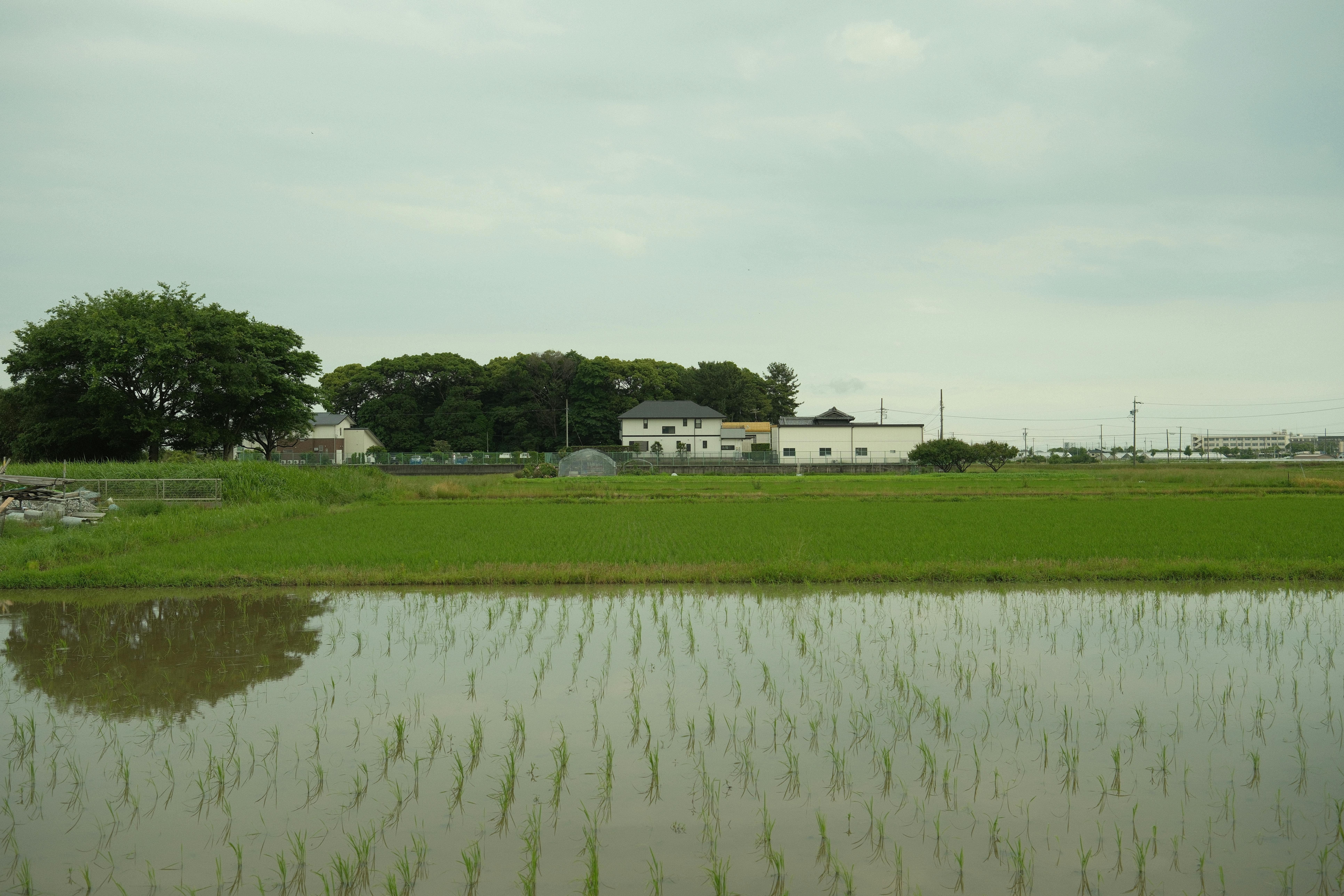
A trip that spends most of its time in Bangkok, Tokyo or Singapore is usually a different travel health conversation from a month moving through rice-growing districts, village stays or fieldwork sites. Japanese encephalitis vaccination may come up if your itinerary includes rural parts of Asia or the Western Pacific, especially with outdoor evenings or longer stays. At Allcures - Hassengate Travel Clinic in Stanford-le-Hope, we can look at your route, dates and plans, then tell you whether the vaccine belongs on your list.
A trip that spends most of its time in Bangkok, Tokyo or Singapore is usually a different travel health conversation from a month moving through rice-growing districts, village stays or fieldwork sites. Japanese encephalitis vaccination may come up if your itinerary includes rural parts of Asia or the Western Pacific, especially with outdoor evenings or longer stays. At Allcures - Hassengate Travel Clinic in Stanford-le-Hope, we can look at your route, dates and plans, then tell you whether the vaccine belongs on your list.
A mosquito-borne infection that can affect the brain
Japanese encephalitis, often shortened to JE, is caused by a virus spread through the bite of infected Culex mosquitoes. These mosquitoes tend to bite from dusk to dawn. The virus circulates mainly between pigs, wading birds and mosquitoes, which is why risk is often linked with rural and peri-urban areas where rice fields, marshes and pig farming sit close together. Most infections cause no obvious illness, or only mild symptoms. The concern is the small proportion that develop encephalitis, meaning inflammation of the brain. Symptoms can include fever, headache, neck stiffness, confusion, seizures and coma, usually after an incubation period of about 4 to 14 days. Severe JE can be fatal, and some survivors are left with long-term neurological or behavioural problems. For travellers, risk is generally low, but not zero. A short hotel-based city break is usually lower risk than cycling through rural Vietnam, working outdoors near pig farms, or spending several weeks in villages during the rainy season.
Japanese encephalitis, often shortened to JE, is caused by a virus spread through the bite of infected Culex mosquitoes. These mosquitoes tend to bite from dusk to dawn. The virus circulates mainly between pigs, wading birds and mosquitoes, which is why risk is often linked with rural and peri-urban areas where rice fields, marshes and pig farming sit close together. Most infections cause no obvious illness, or only mild symptoms. The concern is the small proportion that develop encephalitis, meaning inflammation of the brain. Symptoms can include fever, headache, neck stiffness, confusion, seizures and coma, usually after an incubation period of about 4 to 14 days. Severe JE can be fatal, and some survivors are left with long-term neurological or behavioural problems. For travellers, risk is generally low, but not zero. A short hotel-based city break is usually lower risk than cycling through rural Vietnam, working outdoors near pig farms, or spending several weeks in villages during the rainy season.
How the Japanese encephalitis vaccine is usually given
The Japanese encephalitis vaccine used in the UK is an inactivated vaccine. It cannot cause Japanese encephalitis. Its job is to train your immune system to recognise the virus before you are exposed to it, although no vaccine removes risk completely. The standard primary course is two doses, commonly given 28 days apart. Adults aged 18 to 65 may be able to use an accelerated schedule, with the second dose given 7 days after the first, if time is short. The course should be completed at least one week before possible exposure. Children can be vaccinated from early infancy where appropriate, but they need an individual assessment rather than a blanket recommendation. A booster may be advised if you have had the vaccine before and remain at risk, especially with repeated travel or ongoing exposure. Side effects are usually short-lived, such as a sore arm, tenderness, muscle aches or feeling unwell for a day or two. We will also check for reasons to delay or avoid vaccination, including serious allergy to a previous dose or current significant feverish illness.
The Japanese encephalitis vaccine used in the UK is an inactivated vaccine. It cannot cause Japanese encephalitis. Its job is to train your immune system to recognise the virus before you are exposed to it, although no vaccine removes risk completely. The standard primary course is two doses, commonly given 28 days apart. Adults aged 18 to 65 may be able to use an accelerated schedule, with the second dose given 7 days after the first, if time is short. The course should be completed at least one week before possible exposure. Children can be vaccinated from early infancy where appropriate, but they need an individual assessment rather than a blanket recommendation. A booster may be advised if you have had the vaccine before and remain at risk, especially with repeated travel or ongoing exposure. Side effects are usually short-lived, such as a sore arm, tenderness, muscle aches or feeling unwell for a day or two. We will also check for reasons to delay or avoid vaccination, including serious allergy to a previous dose or current significant feverish illness.
Countries and trips where JE comes into the conversation
Japanese encephalitis occurs in parts of East Asia, South East Asia, South Asia and the Western Pacific. It may be relevant for travel to countries such as Thailand, Vietnam, Cambodia, Laos, Indonesia, the Philippines, India, Nepal, Bangladesh, Sri Lanka, China, Japan and Korea, depending on the route and season. Mainland Australia has also reported outbreaks. Risk is usually higher outside major cities, particularly around rice cultivation, wetlands, pig farming and rural night-time exposure. In temperate areas, transmission often rises in the warmer months. In tropical and subtropical areas, it can occur year-round, with increases around rainy seasons or pre-harvest periods. Country names are only a starting point; your length of stay, accommodation and activities matter.
Japanese encephalitis occurs in parts of East Asia, South East Asia, South Asia and the Western Pacific. It may be relevant for travel to countries such as Thailand, Vietnam, Cambodia, Laos, Indonesia, the Philippines, India, Nepal, Bangladesh, Sri Lanka, China, Japan and Korea, depending on the route and season. Mainland Australia has also reported outbreaks. Risk is usually higher outside major cities, particularly around rice cultivation, wetlands, pig farming and rural night-time exposure. In temperate areas, transmission often rises in the warmer months. In tropical and subtropical areas, it can occur year-round, with increases around rainy seasons or pre-harvest periods. Country names are only a starting point; your length of stay, accommodation and activities matter.
Leave enough time for two doses if you can
Japanese encephalitis vaccination is easiest to plan when your travel dates are firm but not imminent. Bring your itinerary, previous vaccine history if you have it, and any relevant medical information. We will talk through whether JE vaccination is sensible for this trip, alongside mosquito bite avoidance and any other travel vaccines you may need. For local appointments at Hassengate Pharmacy, call 01375 641569. People also come to us from Grays and Basildon when they want a travel clinic with extended opening hours.
Japanese encephalitis vaccination is easiest to plan when your travel dates are firm but not imminent. Bring your itinerary, previous vaccine history if you have it, and any relevant medical information. We will talk through whether JE vaccination is sensible for this trip, alongside mosquito bite avoidance and any other travel vaccines you may need. For local appointments at Hassengate Pharmacy, call 01375 641569. People also come to us from Grays and Basildon when they want a travel clinic with extended opening hours.
Appointments available now
Speak to the team or arrange a visit
If you are unsure which service you need, or you would like to check availability before coming in, our pharmacy team can help. Call the clinic and we will guide you towards the most suitable next step based on your needs.
Appointments available now
Speak to the team or arrange a visit
If you are unsure which service you need, or you would like to check availability before coming in, our pharmacy team can help. Call the clinic and we will guide you towards the most suitable next step based on your needs.
Appointments available now
Speak to the team or arrange a visit
If you are unsure which service you need, or you would like to check availability before coming in, our pharmacy team can help. Call the clinic and we will guide you towards the most suitable next step based on your needs.
Essex Clinics
Same-day appointments are routinely available.
Opening Hours
Monday: 8am–9pm
Tuesday: 7am–9pm
Wednesday: 8am–9pm
Thursday: 8am–9pm
Friday: 8am–9pm
Saturday: 9am–9pm
Sunday: Closed

2026 Essex Clinics
Essex Clinics
Same-day appointments are routinely available.
Opening Hours
Monday: 8am–9pm
Tuesday: 7am–9pm
Wednesday: 8am–9pm
Thursday: 8am–9pm
Friday: 8am–9pm
Saturday: 9am–9pm
Sunday: Closed
2026 Essex Clinics
Essex Clinics
Same-day appointments are routinely available.
Opening Hours
Monday: 8am–9pm
Tuesday: 7am–9pm
Wednesday: 8am–9pm
Thursday: 8am–9pm
Friday: 8am–9pm
Saturday: 9am–9pm
Sunday: Closed
2026 Essex Clinics