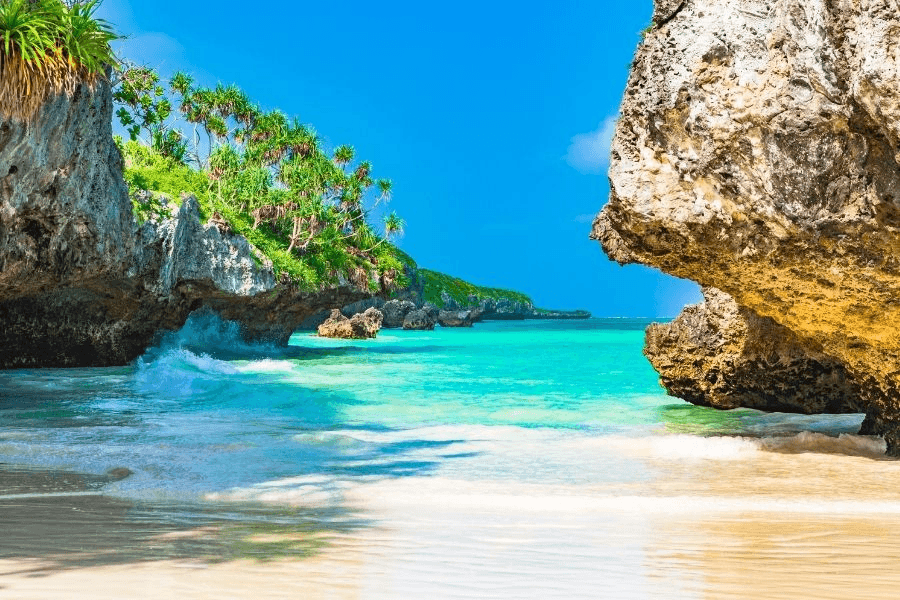
Tanzania travel vaccinations and health advice
Tanzania has malaria risk below 1,800m, including Zanzibar. Get clear vaccine and bite advice at our Stanford-le-Hope travel clinic before you go.
Tanzania has malaria risk below 1,800m, including Zanzibar. Get clear vaccine and bite advice at our Stanford-le-Hope travel clinic before you go.
Tanzania has malaria risk below 1,800m, including Zanzibar. Get clear vaccine and bite advice at our Stanford-le-Hope travel clinic before you go.
Customer Reviews
4.8
Malaria and altitude shape the Tanzania briefing
For Tanzania, the two health points that often change the plan are malaria and altitude. Much of the country below 1,800 metres, including Zanzibar, is considered a malaria risk area, while Kilimanjaro brings a very different concern: altitude illness. At Allcures - Hassengate Travel Clinic in Stanford-le-Hope, we can talk through your route, vaccines, malaria tablets and practical precautions before you travel.
For Tanzania, the two health points that often change the plan are malaria and altitude. Much of the country below 1,800 metres, including Zanzibar, is considered a malaria risk area, while Kilimanjaro brings a very different concern: altitude illness. At Allcures - Hassengate Travel Clinic in Stanford-le-Hope, we can talk through your route, vaccines, malaria tablets and practical precautions before you travel.
Safari, Zanzibar, Kilimanjaro and family visits are not the same health plan
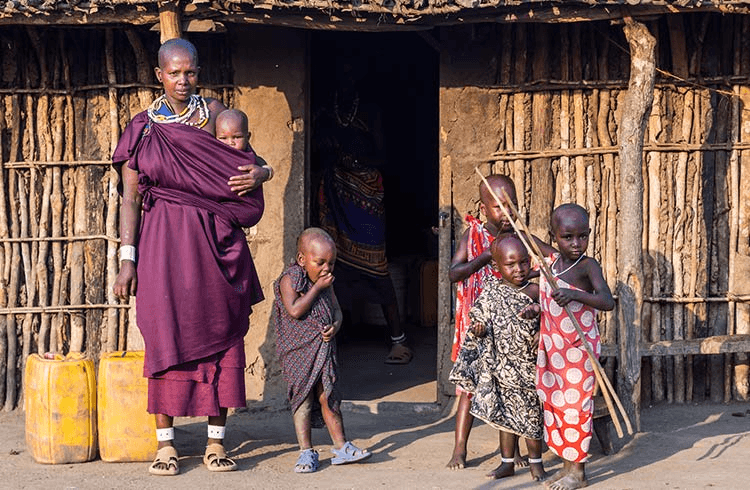
People travel to Tanzania for several quite different kinds of trip. A two-week safari in northern parks, a beach stay on Zanzibar, a Kilimanjaro climb, volunteer work, business travel in Dar es Salaam and visiting friends or relatives all create different exposures. Accommodation matters. So does how long you are away, whether you will be in rural areas, how close you will be to animals, and whether you may need medical care while there. Children, pregnant travellers, older adults and people with long-term health conditions need a more careful review. Tanzania is not usually complicated to prepare for, but it rewards a proper conversation. A resort-only stay and a month moving between towns, villages and parks should not be treated as the same health risk.
People travel to Tanzania for several quite different kinds of trip. A two-week safari in northern parks, a beach stay on Zanzibar, a Kilimanjaro climb, volunteer work, business travel in Dar es Salaam and visiting friends or relatives all create different exposures. Accommodation matters. So does how long you are away, whether you will be in rural areas, how close you will be to animals, and whether you may need medical care while there. Children, pregnant travellers, older adults and people with long-term health conditions need a more careful review. Tanzania is not usually complicated to prepare for, but it rewards a proper conversation. A resort-only stay and a month moving between towns, villages and parks should not be treated as the same health risk.
Below 1,800 metres, malaria is the headline risk
Malaria risk is high in all areas of Tanzania below 1,800 metres, including Zanzibar. Tablets are usually recommended for those areas, alongside strict bite avoidance from dusk to dawn. Above 1,800 metres, malaria is not considered a risk, but mosquito precautions still matter because other infections are spread by daytime-biting mosquitoes. Hepatitis A is commonly recommended for previously unvaccinated travellers, as it spreads through contaminated food and water. Typhoid vaccination is also commonly considered, especially where food hygiene may be uncertain, for longer trips, children, frequent travel or visits to family and friends. Your tetanus, diphtheria and polio protection should be up to date under the UK schedule. Yellow fever vaccination is not generally recommended for Tanzania because exposure is considered low. The certificate rule is different: you may need proof of yellow fever vaccination if you arrive from, or transit for more than 12 hours through, a country with yellow fever risk. Rabies is present in domestic animals, and information for Zanzibar is limited. Pre-travel rabies vaccination is worth discussing for children, runners, cyclists, longer stays, animal work and routes where prompt treatment after a bite may be difficult. Dengue, chikungunya and Zika are also relevant mosquito-borne risks. There is no simple tablet for these, so daytime repellent use is part of the plan. Kilimanjaro reaches 5,895 metres, so altitude illness deserves serious attention if you are climbing. Tanzania also has schistosomiasis risk, so avoid swimming, wading or washing in untreated freshwater such as lakes, rivers and streams.
Malaria risk is high in all areas of Tanzania below 1,800 metres, including Zanzibar. Tablets are usually recommended for those areas, alongside strict bite avoidance from dusk to dawn. Above 1,800 metres, malaria is not considered a risk, but mosquito precautions still matter because other infections are spread by daytime-biting mosquitoes. Hepatitis A is commonly recommended for previously unvaccinated travellers, as it spreads through contaminated food and water. Typhoid vaccination is also commonly considered, especially where food hygiene may be uncertain, for longer trips, children, frequent travel or visits to family and friends. Your tetanus, diphtheria and polio protection should be up to date under the UK schedule. Yellow fever vaccination is not generally recommended for Tanzania because exposure is considered low. The certificate rule is different: you may need proof of yellow fever vaccination if you arrive from, or transit for more than 12 hours through, a country with yellow fever risk. Rabies is present in domestic animals, and information for Zanzibar is limited. Pre-travel rabies vaccination is worth discussing for children, runners, cyclists, longer stays, animal work and routes where prompt treatment after a bite may be difficult. Dengue, chikungunya and Zika are also relevant mosquito-borne risks. There is no simple tablet for these, so daytime repellent use is part of the plan. Kilimanjaro reaches 5,895 metres, so altitude illness deserves serious attention if you are climbing. Tanzania also has schistosomiasis risk, so avoid swimming, wading or washing in untreated freshwater such as lakes, rivers and streams.
Give yourself four to six weeks if you can
Book a travel consultation four to six weeks before departure where possible. That gives time to review your vaccination record, start any vaccine courses, and choose malaria tablets that fit your route, medical history and other medicines. If you are leaving sooner, still book. Late advice is better than no advice. Bring your itinerary, including Zanzibar, safari regions, Kilimanjaro plans, volunteer placements and any border transits. We will also ask about pregnancy, immune system problems, previous vaccine reactions and regular medication. Pack repellent containing an effective active ingredient, long sleeves for evenings, sun protection, oral rehydration salts and a basic first aid kit. Be selective with food and water. For Zanzibar, check the current insurance requirement before you travel, as visitors may need specific cover for their stay.
Book a travel consultation four to six weeks before departure where possible. That gives time to review your vaccination record, start any vaccine courses, and choose malaria tablets that fit your route, medical history and other medicines. If you are leaving sooner, still book. Late advice is better than no advice. Bring your itinerary, including Zanzibar, safari regions, Kilimanjaro plans, volunteer placements and any border transits. We will also ask about pregnancy, immune system problems, previous vaccine reactions and regular medication. Pack repellent containing an effective active ingredient, long sleeves for evenings, sun protection, oral rehydration salts and a basic first aid kit. Be selective with food and water. For Zanzibar, check the current insurance requirement before you travel, as visitors may need specific cover for their stay.
Local advice before Tanzania
If Tanzania is on your calendar, book a travel health appointment and bring the route you are actually taking. We can review vaccines, malaria prevention, yellow fever certificate rules and practical risks such as altitude, animal bites and freshwater exposure. Patients from Grays and Basildon also use the clinic when they want local, pharmacist-led travel advice without waiting for a GP appointment.
If Tanzania is on your calendar, book a travel health appointment and bring the route you are actually taking. We can review vaccines, malaria prevention, yellow fever certificate rules and practical risks such as altitude, animal bites and freshwater exposure. Patients from Grays and Basildon also use the clinic when they want local, pharmacist-led travel advice without waiting for a GP appointment.
Appointments available now
Speak to the team or arrange a visit
If you are unsure which service you need, or you would like to check availability before coming in, our pharmacy team can help. Call the clinic and we will guide you towards the most suitable next step based on your needs.
Appointments available now
Speak to the team or arrange a visit
If you are unsure which service you need, or you would like to check availability before coming in, our pharmacy team can help. Call the clinic and we will guide you towards the most suitable next step based on your needs.
Appointments available now
Speak to the team or arrange a visit
If you are unsure which service you need, or you would like to check availability before coming in, our pharmacy team can help. Call the clinic and we will guide you towards the most suitable next step based on your needs.
Essex Clinics
Same-day appointments are routinely available.
Opening Hours
Monday: 8am–9pm
Tuesday: 7am–9pm
Wednesday: 8am–9pm
Thursday: 8am–9pm
Friday: 8am–9pm
Saturday: 9am–9pm
Sunday: Closed
2026 Essex Clinics
Essex Clinics
Same-day appointments are routinely available.
Opening Hours
Monday: 8am–9pm
Tuesday: 7am–9pm
Wednesday: 8am–9pm
Thursday: 8am–9pm
Friday: 8am–9pm
Saturday: 9am–9pm
Sunday: Closed
2026 Essex Clinics
Essex Clinics
Same-day appointments are routinely available.
Opening Hours
Monday: 8am–9pm
Tuesday: 7am–9pm
Wednesday: 8am–9pm
Thursday: 8am–9pm
Friday: 8am–9pm
Saturday: 9am–9pm
Sunday: Closed
2026 Essex Clinics