India Travel Vaccinations and Health Advice
India needs more than a malaria check: dengue, typhoid, rabies and regional risks matter. Book travel health advice locally in Stanford-le-Hope.
India needs more than a malaria check: dengue, typhoid, rabies and regional risks matter. Book travel health advice locally in Stanford-le-Hope.
India needs more than a malaria check: dengue, typhoid, rabies and regional risks matter. Book travel health advice locally in Stanford-le-Hope.
Customer Reviews
4.8
India’s risks are regional, urban and sometimes underestimated
For India, the main travel-health point is that risk changes sharply by place and itinerary. A Delhi wedding, a Goa beach break, a month with relatives in Punjab and a Ladakh road trip do not need the same conversation. At Allcures - Hassengate Travel Clinic in Stanford-Le-Hope, we can check your vaccine history, route, timings and personal risks before you travel, then talk through what is sensible rather than excessive.
For India, the main travel-health point is that risk changes sharply by place and itinerary. A Delhi wedding, a Goa beach break, a month with relatives in Punjab and a Ladakh road trip do not need the same conversation. At Allcures - Hassengate Travel Clinic in Stanford-Le-Hope, we can check your vaccine history, route, timings and personal risks before you travel, then talk through what is sensible rather than excessive.
Family visits, city stays, beach breaks and long internal journeys
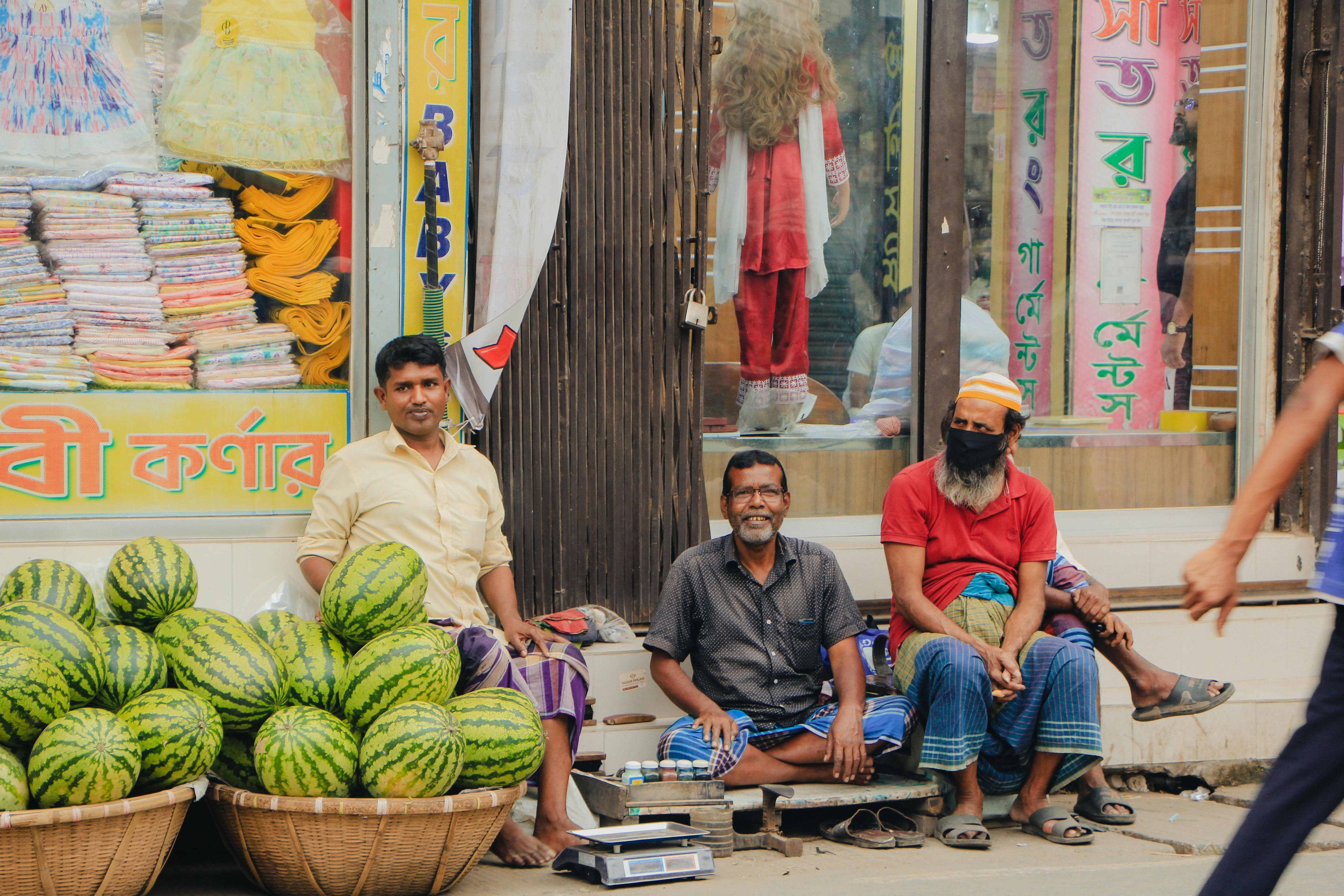
UK travellers go to India for very different reasons. Some are visiting family and eating mainly in homes. Some are moving between large cities by train or domestic flight. Others are staying in Goa, travelling through Rajasthan, working in Bengaluru or Mumbai, joining a retreat, or heading north towards the Himalayas. Length of stay matters. So does how much local contact you will have, whether children are travelling, and whether you might need medical or dental care while away. Rural stays, monsoon travel, cycling, volunteering, backpacking and uncertain accommodation can all shift the advice. India is not a single-risk destination. It is a large country where food and water illness, mosquito exposure, animal bites, air quality and altitude can each become the main issue, depending on your plans.
UK travellers go to India for very different reasons. Some are visiting family and eating mainly in homes. Some are moving between large cities by train or domestic flight. Others are staying in Goa, travelling through Rajasthan, working in Bengaluru or Mumbai, joining a retreat, or heading north towards the Himalayas. Length of stay matters. So does how much local contact you will have, whether children are travelling, and whether you might need medical or dental care while away. Rural stays, monsoon travel, cycling, volunteering, backpacking and uncertain accommodation can all shift the advice. India is not a single-risk destination. It is a large country where food and water illness, mosquito exposure, animal bites, air quality and altitude can each become the main issue, depending on your plans.
Daytime mosquitoes and food hygiene often matter more than people expect
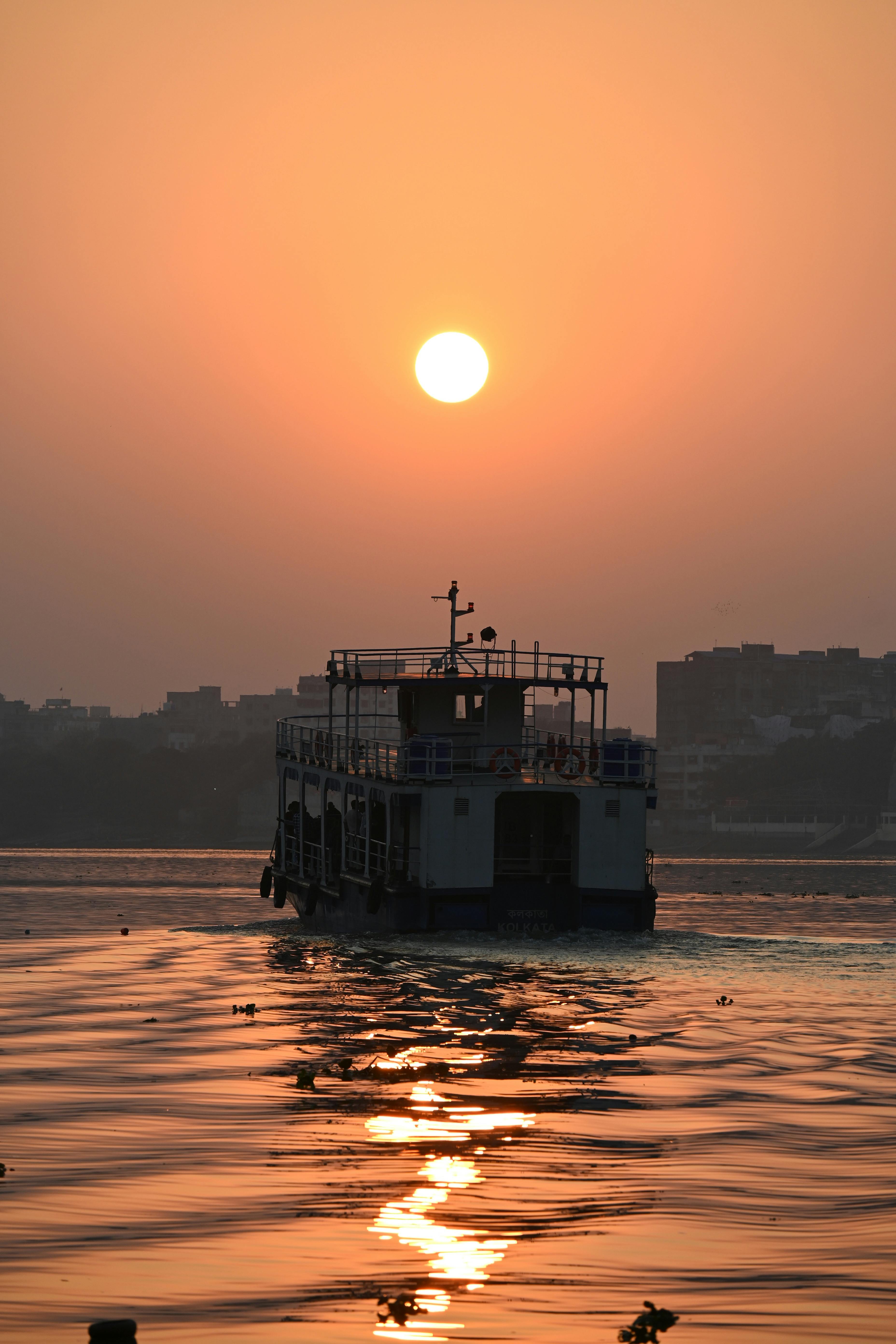
Hepatitis A is commonly recommended for previously unvaccinated travellers to India because it spreads through contaminated food and water. Typhoid vaccination is also often discussed, especially if you are visiting friends or relatives, travelling for longer, staying outside higher-standard hotels, or eating where sanitation may be variable. Tetanus should be up to date, particularly if you may be far from reliable medical care. Malaria advice for India needs a map, not a yes-or-no answer. Malaria tablets are usually considered for higher-risk areas such as Assam and Odisha, plus specific districts in Andhra Pradesh and Madhya Pradesh. Much of the rest of India, including Goa and the Andaman and Nicobar Islands, is classed as low risk, where bite avoidance and awareness are usually the focus. Lakshadweep is not considered a malaria risk. Dengue, chikungunya and Zika are spread by mosquitoes that often bite during the day, including in towns and cities. There is no simple tablet that prevents these infections, so repellent, covered skin and good accommodation choices still count. Rabies is a real consideration in India, especially for children, runners, cyclists, longer stays and anyone going where urgent post-bite treatment may be harder to reach. Japanese encephalitis may be relevant for longer or rural stays, particularly around rice-growing areas and during or after monsoon periods. If you are heading to Ladakh or other high-altitude areas, altitude illness deserves a proper plan too.
Hepatitis A is commonly recommended for previously unvaccinated travellers to India because it spreads through contaminated food and water. Typhoid vaccination is also often discussed, especially if you are visiting friends or relatives, travelling for longer, staying outside higher-standard hotels, or eating where sanitation may be variable. Tetanus should be up to date, particularly if you may be far from reliable medical care. Malaria advice for India needs a map, not a yes-or-no answer. Malaria tablets are usually considered for higher-risk areas such as Assam and Odisha, plus specific districts in Andhra Pradesh and Madhya Pradesh. Much of the rest of India, including Goa and the Andaman and Nicobar Islands, is classed as low risk, where bite avoidance and awareness are usually the focus. Lakshadweep is not considered a malaria risk. Dengue, chikungunya and Zika are spread by mosquitoes that often bite during the day, including in towns and cities. There is no simple tablet that prevents these infections, so repellent, covered skin and good accommodation choices still count. Rabies is a real consideration in India, especially for children, runners, cyclists, longer stays and anyone going where urgent post-bite treatment may be harder to reach. Japanese encephalitis may be relevant for longer or rural stays, particularly around rice-growing areas and during or after monsoon periods. If you are heading to Ladakh or other high-altitude areas, altitude illness deserves a proper plan too.
Four to six weeks gives you the best window
Try to book your travel consultation four to six weeks before departure. That gives time to check your routine UK vaccines, discuss hepatitis A, typhoid and any itinerary-specific vaccines, and plan malaria tablets if your route includes a higher-risk area. If you are leaving sooner, still come in. Late advice is better than no advice. Bring your itinerary, vaccine record if you have one, and any details about medical conditions, pregnancy, medicines, allergies or previous vaccine reactions. For India, the consultation should cover food and water precautions, mosquito bite avoidance for both day and night, rabies first aid, diarrhoea planning, heat, air pollution, and altitude if you are travelling north. If you are arriving from a yellow fever risk country, certificate rules may also matter.
Try to book your travel consultation four to six weeks before departure. That gives time to check your routine UK vaccines, discuss hepatitis A, typhoid and any itinerary-specific vaccines, and plan malaria tablets if your route includes a higher-risk area. If you are leaving sooner, still come in. Late advice is better than no advice. Bring your itinerary, vaccine record if you have one, and any details about medical conditions, pregnancy, medicines, allergies or previous vaccine reactions. For India, the consultation should cover food and water precautions, mosquito bite avoidance for both day and night, rabies first aid, diarrhoea planning, heat, air pollution, and altitude if you are travelling north. If you are arriving from a yellow fever risk country, certificate rules may also matter.
Local travel advice before India
If India is on your calendar, a short travel-health appointment can make the practical decisions clearer. We will look at where you are going, how long for, what you have already had, and what is worth considering now. Hassengate Pharmacy is convenient for people in and around Stanford-Le-Hope, including Grays and Basildon. Book before your departure date gets too close.
If India is on your calendar, a short travel-health appointment can make the practical decisions clearer. We will look at where you are going, how long for, what you have already had, and what is worth considering now. Hassengate Pharmacy is convenient for people in and around Stanford-Le-Hope, including Grays and Basildon. Book before your departure date gets too close.
Appointments available now
Speak to the team or arrange a visit
If you are unsure which service you need, or you would like to check availability before coming in, our pharmacy team can help. Call the clinic and we will guide you towards the most suitable next step based on your needs.
Appointments available now
Speak to the team or arrange a visit
If you are unsure which service you need, or you would like to check availability before coming in, our pharmacy team can help. Call the clinic and we will guide you towards the most suitable next step based on your needs.
Appointments available now
Speak to the team or arrange a visit
If you are unsure which service you need, or you would like to check availability before coming in, our pharmacy team can help. Call the clinic and we will guide you towards the most suitable next step based on your needs.
Essex Clinics
Same-day appointments are routinely available.
Opening Hours
Monday: 8am–9pm
Tuesday: 7am–9pm
Wednesday: 8am–9pm
Thursday: 8am–9pm
Friday: 8am–9pm
Saturday: 9am–9pm
Sunday: Closed

2026 Essex Clinics
Essex Clinics
Same-day appointments are routinely available.
Opening Hours
Monday: 8am–9pm
Tuesday: 7am–9pm
Wednesday: 8am–9pm
Thursday: 8am–9pm
Friday: 8am–9pm
Saturday: 9am–9pm
Sunday: Closed
2026 Essex Clinics
Essex Clinics
Same-day appointments are routinely available.
Opening Hours
Monday: 8am–9pm
Tuesday: 7am–9pm
Wednesday: 8am–9pm
Thursday: 8am–9pm
Friday: 8am–9pm
Saturday: 9am–9pm
Sunday: Closed
2026 Essex Clinics